
The Slots Game
Symbols, Features & How to Play

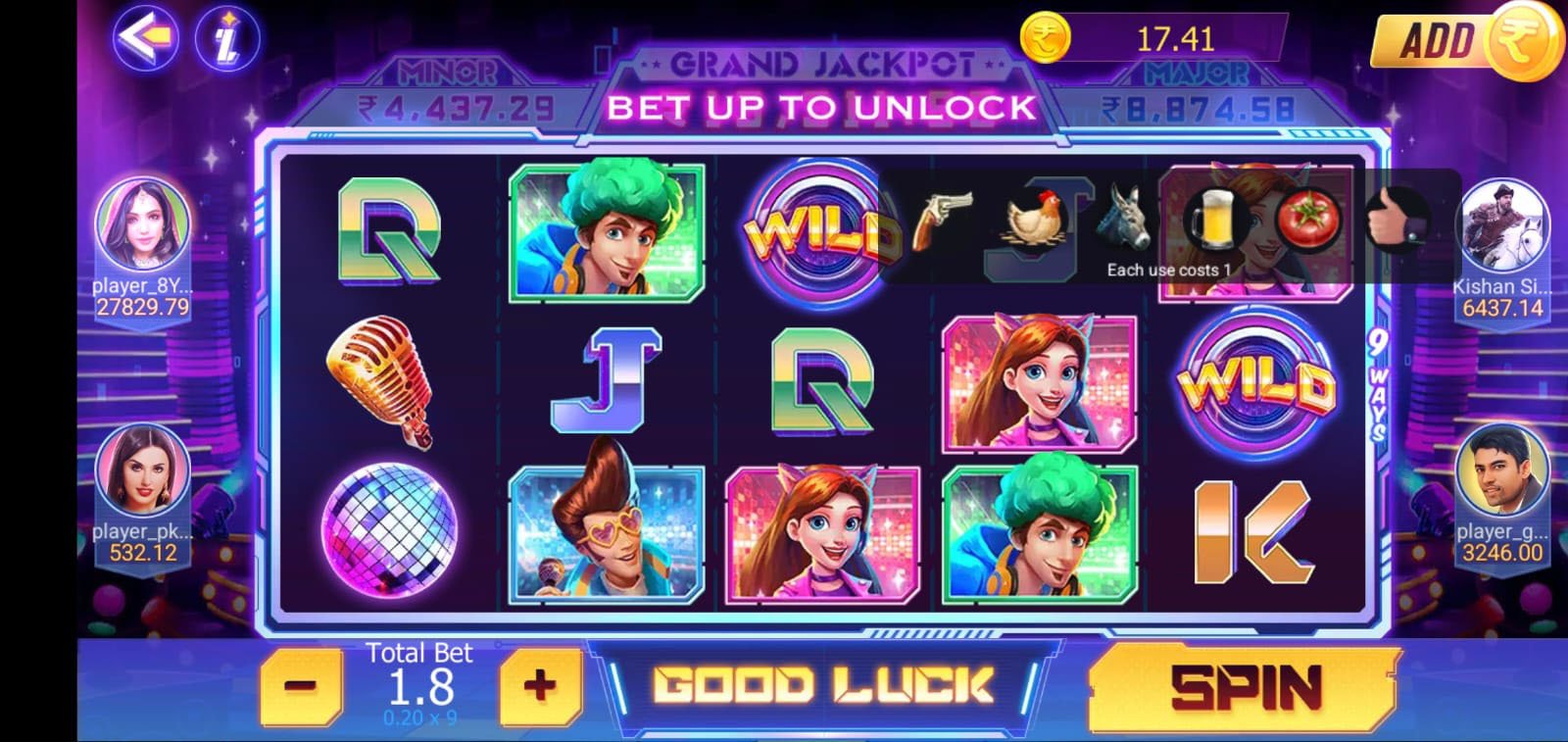

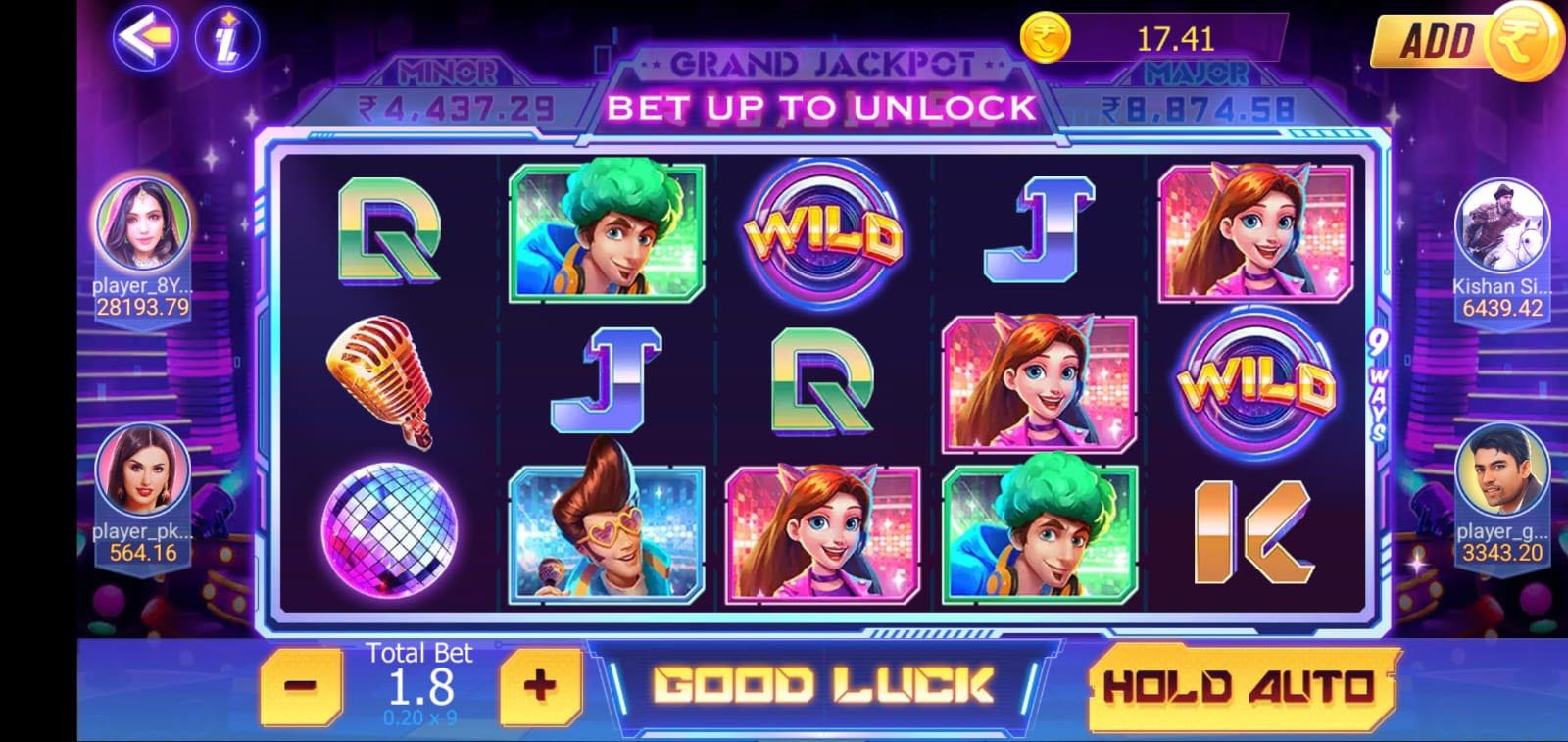
Slots are one of the simplest game formats to learn. You set a stake, spin the reels, and the symbols that land are checked against the game’s paytable — there are no rules to memorise and no opponents to read. This guide explains how slots work: the reels and paylines, the special symbols, the bonus features, and a few sensible habits for new players.
Every spin in a slot is decided by a certified random number generator, so each result is independent of the one before it. Below you will find a plain-English walkthrough of the game, what each part of the screen means, and answers to the questions players most often ask.
Slots, or slot machines, are the simplest casino-style game to pick up. You set a stake, spin a set of reels, and the symbols that land are checked against the game’s paytable. There are no rules to memorise and no opponents to outplay, which is why slots are one of the easiest game types for newcomers to enjoy. Each spin stands alone — the reels are spun by a certified random number generator, so the result of one spin has no bearing on the next. To learn more about the platform and how our content is prepared, see our About page.
Behind the artwork and animation of any slot sits the same small set of mechanics — reels, paylines, special symbols and bonus rounds — that decide how a spin resolves. Once you understand those parts, explained below, you can follow exactly what is happening on screen in any slot you play.
Slots come in many shapes. Classic three-reel games keep things simple with a handful of symbols and a single payline, while modern five-reel video slots layer in detailed themes, animated bonus rounds and dozens or even hundreds of ways to line up a combination. Whatever the format, the principle is the same: you set a stake, the reels spin, and the game compares the symbols that land against a fixed paytable. Knowing that the paytable and the random number generator do all the work helps set realistic expectations — a slot is a game of chance built for entertainment, not a system you can study or beat.
Playing a slot takes only a few steps:
The rules of a slot are straightforward. You choose how much to stake and how many paylines to play, then spin. The reels stop on a grid of symbols, and the game checks each active payline for the winning combinations defined in the paytable — usually a run of matching symbols starting from the leftmost reel. There is no decision to make once the reels are spinning; the outcome is decided entirely by the random number generator. Every spin is independent, so a result in one spin has no effect on the next, and no symbol is ever “due”. The return-to-player figure you may see quoted is a long-run statistical average across a very large number of spins, not a guide to what any single session will do.
A few related ideas are worth knowing. Volatility (sometimes called variance) describes how a slot tends to behave: low-volatility games land smaller combinations more often, while high-volatility games pay less frequently but in larger amounts when they do. Bet lines determine how many patterns the game checks each spin, and on some slots the stake is split evenly across all active lines. None of these settings changes the fundamental fact that the random number generator picks the symbols at the moment you press spin, with no memory of what came before. Reading the paytable and the in-game help screen is the best way to understand the specific rules of whatever slot you are playing.
A few core pieces make up every spin:
None of these symbols guarantees a particular result; they simply describe how the reels are read and which combinations the paytable recognises. Different slots emphasise different features — one game might be built around frequent free-spin rounds, another around stacked wilds or a growing multiplier — but the building blocks above appear in almost every slot you will meet, which is why learning them once carries over to any new title.
If you are new to slots, a few simple habits help you enjoy the game more:
Slots are meant to be light entertainment, and they stay fun only when kept in proportion. The game is for users aged 18 and above, and slot outcomes are based entirely on chance — it is not a way to make money or a source of income. Decide a time and money limit before you start, never stake more than you can comfortably afford to lose, and walk away when you reach your limit. For guidance on healthy play and where to find support, please read our Responsible Gaming page.
You may also like these games and gameplay guides.
Reviewed by: Teen Pati Craze Editorial Team · Last Reviewed: June 2026 · Read our Editorial Policy to learn how we prepare and update this guide.
Teen Patti Craze is strictly for players aged 18 and above. Real-money games carry risk, so decide your deposit and time limits before you start — and never chase a loss by staking more to win it back. Every hand, roll and spin runs on certified-fair RNG, so each result is random and the same for every player. If the game stops feeling fun, take a break. For support with your play habits, visit our Responsible Gaming page or write to [email protected].


